
Choosing the Right Flooring for Your Business Space
Selecting the right flooring for your business space is a critical decision that impacts aesthetics, functionality, and durability. The flooring you choose must align with your business needs, budget, and the environment where it will be installed. Whether you run a retail store, office, restaurant, or industrial facility, the right flooring can enhance your brand image and improve customer and employee experience.
Understanding Business Flooring Options
Business flooring comes in many types, each with unique benefits and drawbacks. Knowing the options available helps you make an informed choice that suits your specific business environment.
Vinyl Flooring: Durable, water-resistant, and easy to maintain, vinyl is ideal for high-traffic areas like retail stores and healthcare facilities. It comes in a variety of styles, including wood and stone looks.
Carpet Tiles: These provide comfort and noise reduction, making them perfect for offices and conference rooms. Carpet tiles are easy to replace if damaged.
Hardwood Flooring: Offers a classic and upscale look, suitable for boutique shops and executive offices. However, it requires regular maintenance and is less resistant to moisture.
Laminate Flooring: A budget-friendly alternative to hardwood, laminate is scratch-resistant and easy to clean, making it suitable for moderate-traffic areas.
Concrete Flooring: Highly durable and low maintenance, concrete is popular in industrial and warehouse settings. It can be polished or stained for a modern look.
Tile Flooring: Ceramic or porcelain tiles are great for restaurants and bathrooms due to their water resistance and ease of cleaning.
When choosing business flooring, consider factors such as foot traffic, moisture levels, maintenance requirements, and the overall style you want to convey.
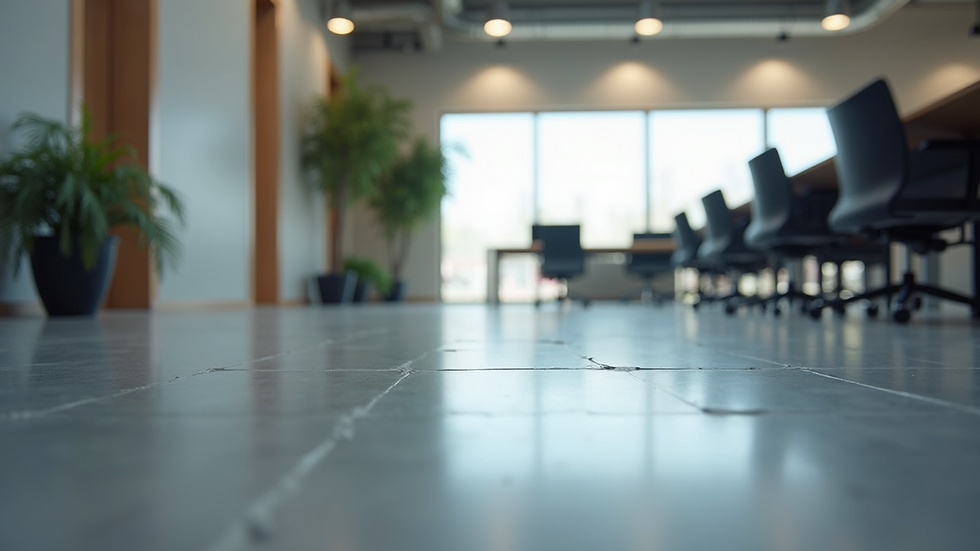
Key Considerations for Business Flooring
Choosing the right flooring involves more than just picking a material. Here are some essential considerations to guide your decision:
Durability and Maintenance
Your flooring must withstand the daily wear and tear of your business activities. For example, a restaurant kitchen floor needs to resist spills and heavy foot traffic, while an office floor should handle rolling chairs and occasional spills.
Choose materials that are easy to clean and maintain.
Consider slip resistance for safety.
Look for warranties that cover commercial use.
Aesthetic Appeal
Flooring contributes significantly to the ambiance of your business. It should complement your brand’s style and create a welcoming environment for customers and employees.
Match flooring color and texture with your interior design.
Use flooring to define different areas within your space.
Consider how lighting affects the appearance of your flooring.
Budget and Installation
Your budget will influence the type of flooring you can afford. Remember to factor in installation costs, which can vary widely depending on the material and complexity.
Get quotes from multiple suppliers and installers.
Consider the lifespan of the flooring to evaluate long-term value.
Plan for potential downtime during installation.
Environmental Impact
Sustainability is increasingly important. Choose flooring materials that are eco-friendly or made from recycled content if this aligns with your business values.
Look for certifications like LEED or FloorScore.
Consider the recyclability of the flooring at the end of its life.

What is the Rule of 3 Flooring?
The "Rule of 3 Flooring" is a design principle used to create visual balance and harmony in commercial spaces. It involves using three different types or styles of flooring materials within one area to define zones and add interest without overwhelming the space.
For example, a retail store might use:
Durable tile at the entrance for high traffic and easy cleaning.
Carpet tiles in the main shopping area for comfort and noise reduction.
Wood-look vinyl in fitting rooms to create a warm, inviting feel.
This approach helps guide customers through the space and highlights different functional areas. When applying the rule of 3 flooring, ensure the materials complement each other in color and texture to maintain a cohesive look.
Benefits of the Rule of 3 Flooring
Enhances spatial organization.
Adds aesthetic variety without clutter.
Improves functionality by matching flooring to specific needs.
Tips for Implementing the Rule
Choose materials with similar undertones.
Use transition strips to separate flooring types cleanly.
Keep the overall color palette consistent.

Working with Commercial Flooring Contractors
Hiring professional commercial flooring contractors is essential to ensure your flooring is installed correctly and lasts for years. Experienced contractors can help you select the best materials, provide accurate cost estimates, and complete the installation efficiently.
Why Use Commercial Flooring Contractors?
They understand the specific needs of business environments.
They have access to commercial-grade materials.
They ensure compliance with safety and building codes.
They provide warranties and post-installation support.
How to Choose the Right Contractor
Check references and reviews.
Verify licenses and insurance.
Ask about their experience with your type of business.
Request detailed quotes and timelines.
Working with professionals reduces the risk of costly mistakes and ensures your flooring investment pays off.
Flooring Maintenance Tips for Longevity
Proper maintenance extends the life of your business flooring and keeps it looking its best. Here are some practical tips:
Regular Cleaning: Sweep or vacuum daily to remove dirt and debris.
Use Mats and Rugs: Place entrance mats to trap dirt and moisture.
Prompt Spill Cleanup: Prevent stains and damage by cleaning spills immediately.
Scheduled Deep Cleaning: Arrange professional cleaning periodically based on flooring type.
Protective Pads: Use pads under furniture to prevent scratches.
Inspect for Damage: Regularly check for cracks, chips, or loose tiles and repair promptly.
Implementing a maintenance routine tailored to your flooring type will save money on repairs and replacements.
Choosing the right business flooring is a strategic decision that affects your space's functionality, appearance, and safety. By understanding your options, considering key factors, and working with skilled professionals, you can create a floor that supports your business goals and impresses visitors for years to come.


Comments